


Purchasing a vehicle is a significant financial investment. Most buyers finance their cars through loans that stretch across several years. When financial hardships interrupt monthly payments, buyers face immediate consequences of auto loan default.
Whether you need the car repossession process explained or you’re an entrepreneur considering getting into the towing industry, this guide provides all the essential information.
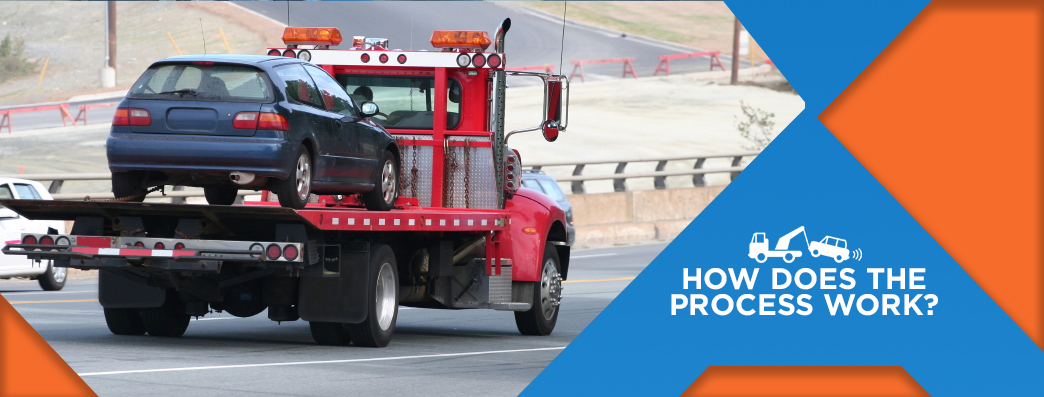
The vehicle repossession process begins when borrowers default on their loan agreement. Here’s what typically happens:
Borrowers have several options for recovering their repossessed vehicle:
With loan defaults happening across the country, lenders rely on a massive network of independent recovery agents to handle the volume of vehicle repossessions.
Above, we have covered the basics of auto repossession and the repo process. If you’re still concerned about losing your vehicle due to missed payments, here are some answers to frequently asked questions about car repossession.
Technically, a lender could initiate the car repossession process the day after you first default on a loan. Still, most lenders treat cases on a priority basis, going after second and third-time defaulters first.
When a lender decides to repo a car, your only option is to negotiate a plan to bring the payments back up to date or pay off the remaining balance in full. Financially, there is no other way out of the matter.
If you hide your car, the repo agent will step up efforts to find and seize the vehicle. In many states, it is legal for a repo agent to walk onto your property to reclaim a vehicle. If you manage to hide the vehicle for any length of time, the repo agent will increase charges to the lending bank, raising the amount you will ultimately owe.
It depends. When and where a vehicle can be repossessed varies based on a lender’s policies and the laws governing repossession in your area. When allowed, many repo agents work on weekends. Don’t count on a reprieve from potential repossession just because it’s Saturday or Sunday. If you’re concerned about the time of your car repossession, you may want to consult your lender.
There is no way to blow off car loan debt and still drive freely. Even if you manage to keep the vehicle in question off the radar, the lender will notify the DMV, making it impossible for you to renew your driver’s license or update your plate tags until the matter is resolved.
As an alternative to repossession, the lender may file a legal request known as a replevin, where the lender asks the court to issue an order requiring the debtor to pay off the remaining loan balance. If the debtor still fails to pay up, they could face further legal penalties. If you allow a situation to escalate to this level, you may be subjected to a lien where the loan balance is garnished from your future wages.
A repo agent will pursue a vehicle for however long the lender is willing to pay for the services before taking some alternate form of action, such as a replevin.
Lenders need reliable, independent recovery agents who can locate and secure vehicles. This consistent demand creates opportunities for hardworking entrepreneurs looking to earn extra income or launch a full-time repo business.
Your success in the vehicle repossession industry requires learning local regulations and investing in dependable equipment. As a recovery agent, you must understand property rights, proper documentation procedures and safe vehicle handling.
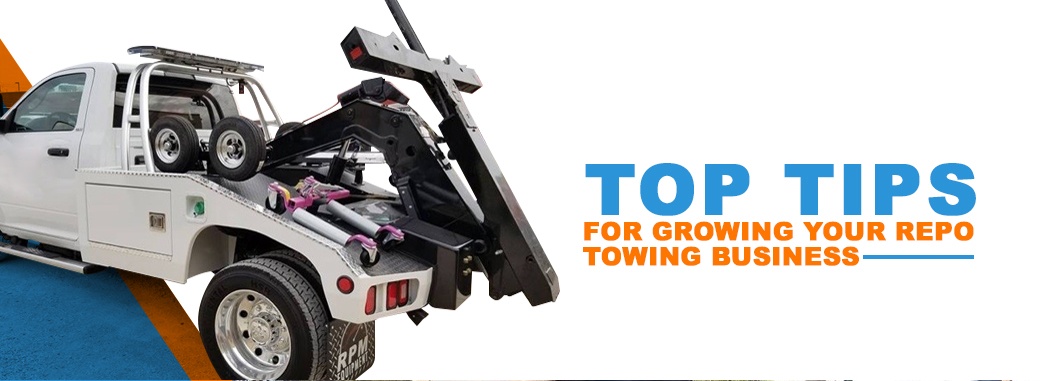
Building a profitable relationship with banks and lenders comes down to trust. Lenders hire agents who demonstrate total professionalism and can recover assets quickly without damaging the vehicle. To meet these high expectations, you need high-performance towing equipment for trucks to work swiftly and safely in any environment.
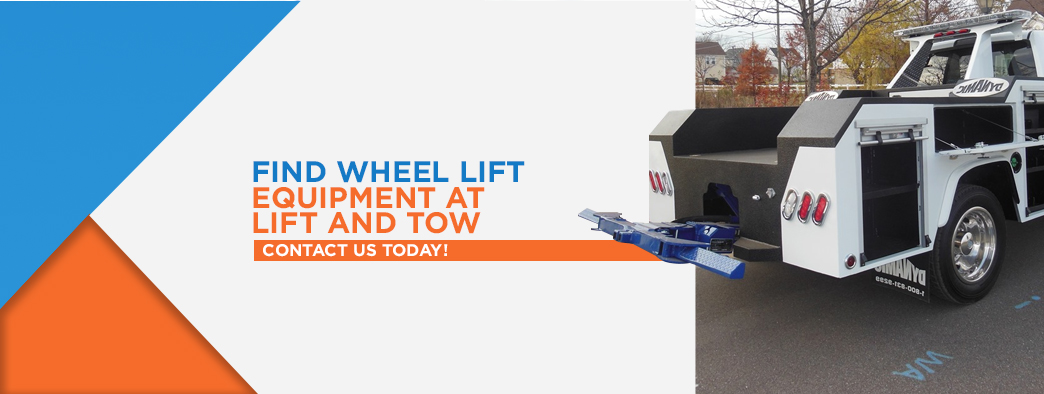
Lift and Tow manufactures American-made repo wheel lifts for pickups. Our towing equipment delivers the speed and efficiency you need to complete more jobs per shift.
Contact us today for more product information. We are ready to help you find the right repo equipment to get the job done.