

There is no denying the towing industry is one of the more dangerous professions out there. Jobs in this area bring drivers to challenging locations where moving vehicles, equipment and objects introduce risk.
According to the U.S. Bureau of Labor Statistics, 52 fatal injuries occurred within the motor vehicle towing industry in 2022. Following some tow truck driver safety tips can save lives and prevent injuries or dangerous mistakes.
As an occupation that demands spending a great deal of time inside vehicles, tow truck driving has plenty of opportunities for hazards. Besides the potential for crashes, drivers spend time on the sides of busy roads. An improperly lifted vehicle can roll backward, and debris from a damaged car can lead to cuts and wounds.
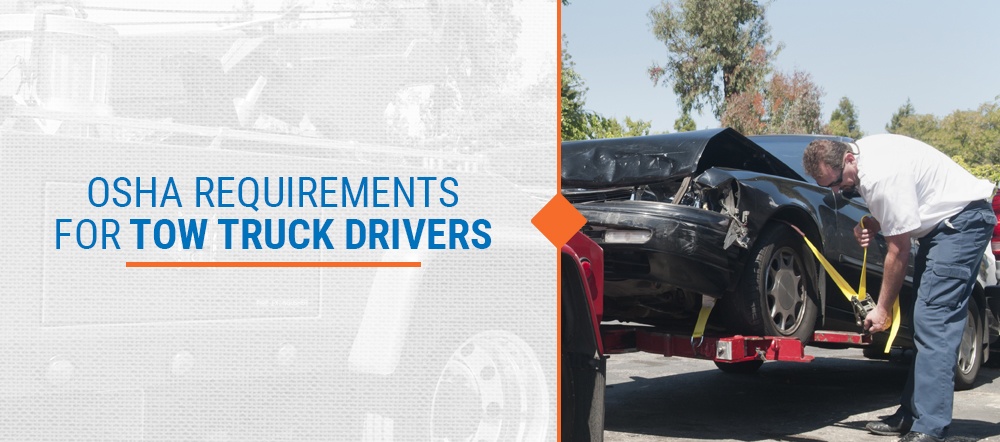
As a tow truck driver, fleet manager or towing company owner, you must follow several standards set by the Occupational Safety and Health Administration (OSHA).
OSHA is just one of the governing bodies a tow truck driver must answer to. Any time crews travel on public road systems, operators must follow their state Department of Transportation (DOT) towing regulations to operate legally. Tow company rules and regulations look different based on where you work, so it is best to check with local officials for the latest updates.
You must have a commercial driver’s license, use turn signals and wear a seat belt. The DOT has authority over motor vehicle accidents. When a truck is loading and unloading disabled vehicles, OSHA has jurisdiction. If the truck only operates within state borders, OSHA holds authority.
OSHA keeps a record of accidents involving tow trucks. These reports don’t include vehicular accidents, as they fall under DOT regulations. As a tow truck company owner or a driver’s employer, you must report the appropriate incidents to OSHA.
To report these incidents, submit the OSHA 301 Incident Report for each event. Report any fatalities within eight hours, according to Standard 1904.39. File any nonfatal injuries within seven calendar days of learning the incident occurred. At the end of each calendar year, fill out the OSHA 300 Log and list each event reported.
OSHA has an expansive list of requirements regarding rigging equipment and tow truck drivers. Standard 1926.251 contains the full list of guidelines equipment operators are to follow.
Professionals in the tow truck industry should review Standard 1926.251 and its subsections to understand expectations for inspecting equipment, handling loads, using steel chains, working with wire rope, measuring sling lengths and operating in safe temperatures, among other criteria.
You must ensure that rigging equipment:

Many of OSHA’s standards remove hazards to create a safer work environment for tow truck operators. Going beyond these regulations helps tow truck companies protect their brand reputations and the lives of employees.
Here are some best practices, standards, and tow truck safety tips to guide you.
Employees who understand their responsibilities and complete jobs safely are less of a risk for towing businesses.
Appropriate training is needed for employees to know and understand correct procedures. Do not assume previous work experience means a worker has been trained on the latest OSHA standards. New drivers are required to take a road test and are subject to a 30-day probationary period. Also, teach onboarding and refresher tow truck safety training courses to encourage retention.
It’s important to note that a tow truck does need a DOT number to use interstate roads, carry passengers and relocate broken-down trailers and vehicles. In addition to employee training, you should verify you have all of your bases covered to send drivers out in vehicles that have up to date paperwork and registrations.
Preventive maintenance is better than reactive maintenance. It saves on repair costs and can prevent deadly accidents from happening in the first place. You should inspect your truck and the towing equipment often and perform regular maintenance. Never attempt to tow a vehicle that weighs more than your towing equipment is rated for.
High-visibility vests protect tow truck drivers on the scene. Reflective gear allows oncoming traffic to see and avoid technicians, even at night.
While three classes are available, Class 3 vests have the most visibility. The Federal Highway Administration (FHA) requires emergency workers near a federal highway to wear green, yellow or orange fluorescent safety vests.
Gloves can also be critical safety gear, especially if a disabled vehicle has been in an accident. Heavy-duty gloves protect drivers from broken glass or metal surrounding a crash site.
Defensive driving can protect you on your way to and from sites. When you arrive at the scene of a disabled vehicle, use precautions to protect yourself.
For example, use running boards and handrails when entering and exiting the truck. Park so the tow truck creates a barrier between you and oncoming traffic whenever possible. It’s even better to use remote controls to rig the disabled vehicle. When a driver does not need to exit the tow truck to hitch the disabled vehicle, there is a smaller chance of injury.
The more tow truck drivers can do before they arrive on the scene, the better the outcomes will be before they rig a vehicle. Here are some steps drivers can take to prepare for emergencies and eliminate potential hazards:
Tow truck companies are essential services since they must be on the scene to rescue stranded vehicles. It’s important for drivers to take extra precautions and preserve their safety and health.

As the wheel lift experts, Lift and Tow will answer your equipment questions and ensure your compliance with DOT and OSHA regulations. We’re known for our 20 years of experience in the towing industry as well as our affordable prices for equipment compatible with your vehicles.
Contact our experts to hear more about our collection of wheel lifts for tow trucks today.